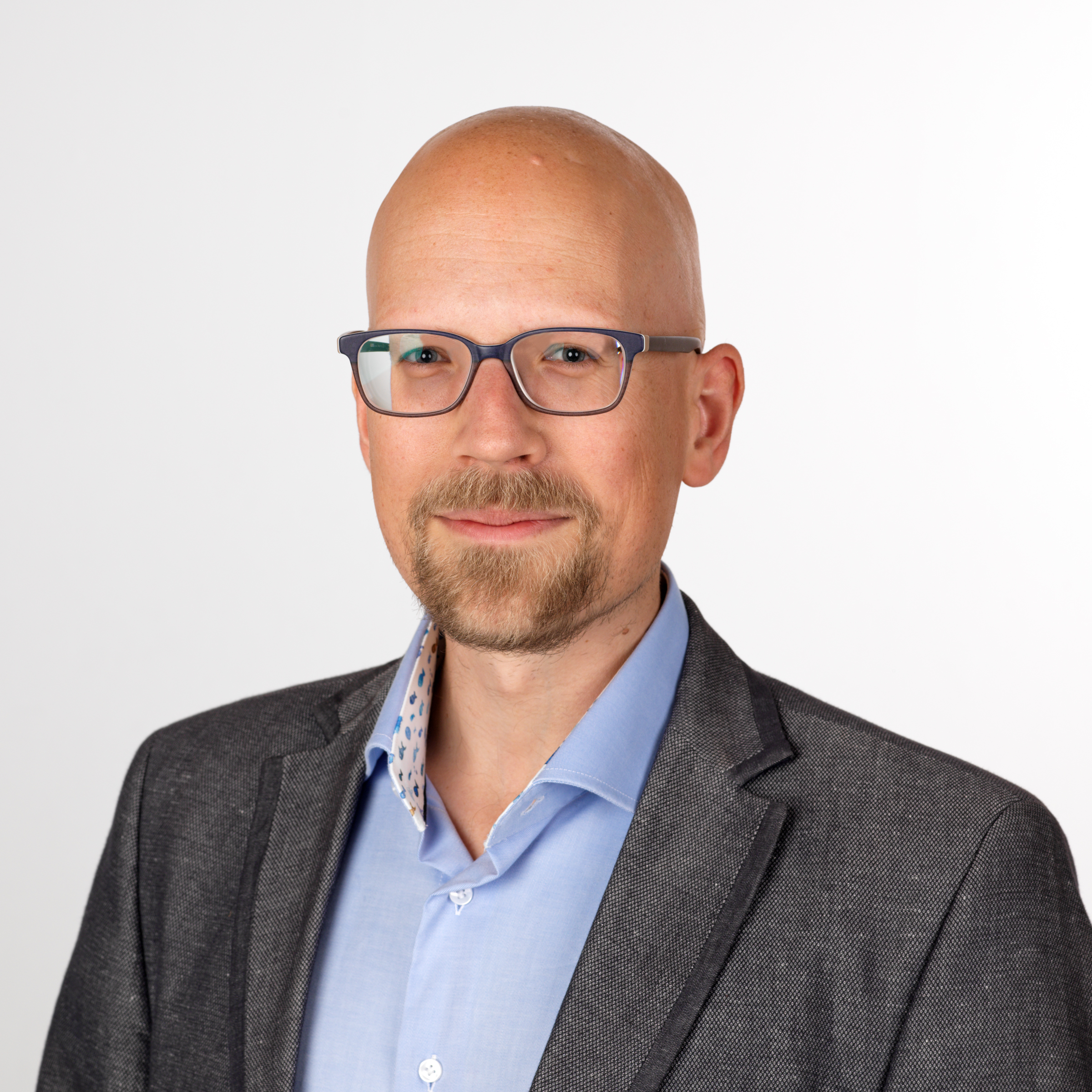
I've been building software for over 30 years
From writing Pascal on a Compaq 386 as a kid, to helping companies navigate AI integration today. Along the way, I've learned a few things about what lasts and what doesn't.
From writing Pascal on a Compaq 386 as a kid, to helping companies navigate AI integration today. Along the way, I've learned a few things about what lasts and what doesn't.
When I was about 12 years old, we got our first computer at home: a Compaq Deskpro 386. It was a throwaway from the company where my father worked, but for me, a whole new world opened up.
Soon, I was regularly at the library reading books on MS-DOS, Basic, and programming in general. I also picked up a book on Pascal there, and I vividly remember my first programs. With a friend, I spent after-school hours building things: Hangman, a DOS launcher, terrible text adventures. We had no idea what we were doing, but it felt like magic.
Although computers have changed completely since then, a few things have remained the same. I still program regularly. Still in Pascal, now called Delphi. And I'm still fascinated by the same question that captivated me as a 12-year-old: how do you make computers do things?
Three decades of building software teaches you things that no book can. You learn to recognize patterns. You see technologies come and go: client/server, the web, mobile, cloud, and now AI. Each wave brings the same cycle: overhyped expectations, followed by disillusionment, followed by real value, but different from what was promised.
You also learn what lasts. Simple code outlives clever code. Systems that solve real problems survive; systems that chase trends don't. The foundations laid 50 years ago are still relevant today.
"The Lindy effect: the future life of something is proportional to its current age. A book that is a classic from 50 years ago will very likely be a classic for the next 50 years."
In that respect, the future looks bright for both old wisdom and new technology, if you know how to combine them.
I founded GDK Software in 2006. We've helped hundreds of companies in 35 countries across six continents, often with systems that have been running for decades and need to evolve without breaking.
Today, I spend most of my time at the intersection of legacy systems and AI. It's a fascinating place to be. 70% of enterprise software is "legacy": code that actually works, that runs businesses, that contains decades of accumulated knowledge. Most AI discourse ignores this reality completely.
I believe the real opportunity isn't replacing these systems. It's augmenting them. Bringing AI capabilities to software that powers airports, banks, hospitals, and countless businesses that depend on reliability.
In 2024, I published Pioneering Simplicity, the history of Pascal and Delphi. What started as a simple question ("how far back can you compile old Pascal code?") turned into two years of research and interviews with the people who were there: Anders Hejlsberg, Allen Bauer, Zack Urlocker, and many others.
Anders Hejlsberg called it "the definitive history of Pascal." But to me, it's more than history. It's a story about what happens when you prioritize simplicity, when you build things to last, and when you trust that good ideas compound over time.
I've seen a lot of hype cycles. I've watched technologies promise to change everything, then quietly find their actual place in the world. I've maintained code from 1998 and built systems that will probably still run in 2048.
I write because I think there's value in that perspective. Observations from someone who has been building long enough to see patterns, to know what questions to ask, and to appreciate both what's genuinely new and what's been true all along.
Whether it's about speaking, consulting, or just talking shop, I'd love to hear from you.
Send me an email